
What Does “Feeling at Home” Actually Mean?
When you first move into a new home, you notice everything.
The light coming through the windows. The sound of the doors closing. The way your footsteps echo through rooms that are still mostly empty. You might spend days deciding where everything should go, trying to make the space feel finished.
But a home rarely becomes yours that way.
It happens later, almost without you noticing. One morning, you leave your book on the same table you always read at. You know which window to open when the breeze comes in. A chair becomes your chair. The kitchen develops its own rhythm. A corner that once seemed too empty becomes where you sit at the end of a long day.
Then, one day, you come back after being away for a while and something feels different. Nothing about the space may have changed dramatically. Yet it feels familiar in a way it never did when you first moved in.
That is the difference between a home looking beautiful and actually feeling like home. The former can happen immediately. The latter takes time.
It comes from the traces of everyday life: the photographs added to a wall, the books left within reach, the routines that settle into certain rooms, the memories attached to ordinary corners. A home becomes personal because it gives you the freedom to leave those traces behind.
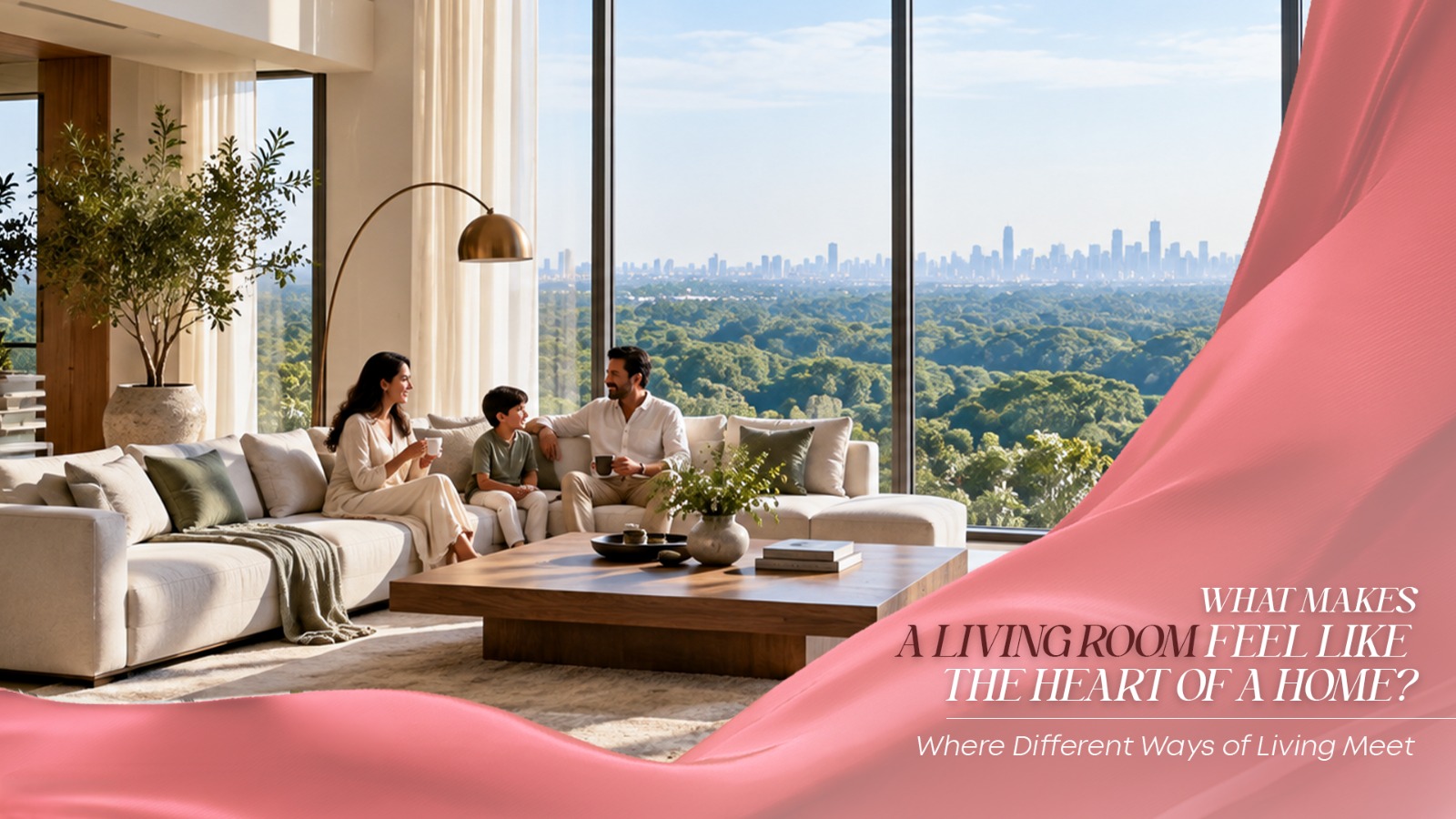
And that is where space matters. When there is room to arrange, change, gather, retreat and make a place your own, the home can evolve with you.
Perhaps feeling at home is simply this: no longer feeling like you are living in someone else’s space, but knowing exactly where your life belongs.