
High-Rise Living: Myths, Realities & The New Design Mindset
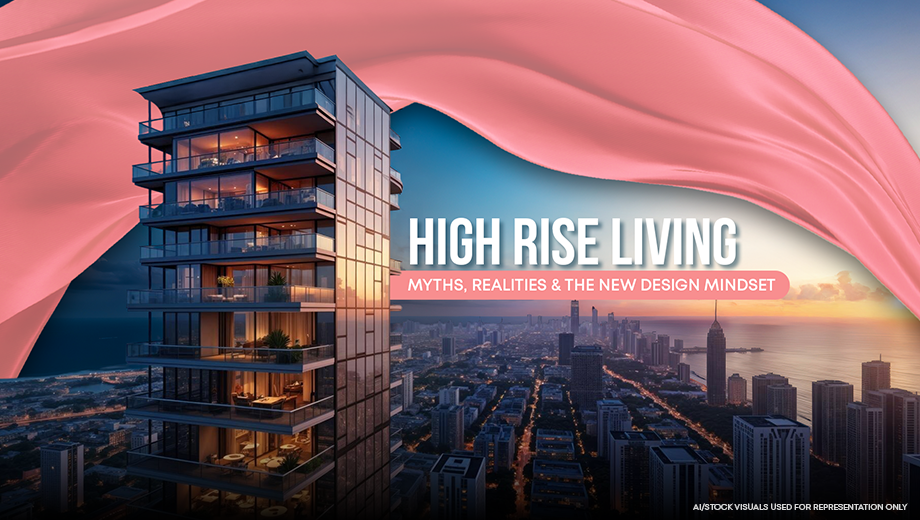
High-rise living is entering a new era—one where smart planning and thoughtful design are transforming long-standing drawbacks into meaningful advantages. As cities densify and vertical housing becomes more common, the way we design, experience, and interact with tall buildings is evolving.
In many urban projects, concerns like limited space, reduced privacy, and a disconnect from nature still persist. But some developments are shifting the paradigm through design choices that prioritize comfort, livability, and well-being. Fewer residences per floor, private foyers, and well-zoned circulation spaces are creating environments that feel quieter, more personal, and more intentional.
Smart building design plays a pivotal role in this shift. Efficient vertical transport, intelligent home automation, and the integration of co-working zones and social spaces reflect how people actually live and work today. These are not just features—they’re responses to real lifestyle patterns in an increasingly hybrid world.
Nature is also finding its way back into vertical environments. Sky gardens, landscaped balconies, and multi-level outdoor areas help bring in light, air, and greenery—creating a more grounded experience even far above street level.
Where high-rise living once meant compromise, modern architecture is now responding with solutions that emphasize both scale and soul. From wellness-focused community zones to flexible live-work amenities, vertical housing is becoming more adaptive to the diverse needs of residents.
Today, it’s no longer about building taller—it’s about building smarter. With the right approach, high-rise living can offer not just elevation in height, but elevation in experience.