
Panoramic Views in Real Estate: How Stunning Vistas Shape Modern Living
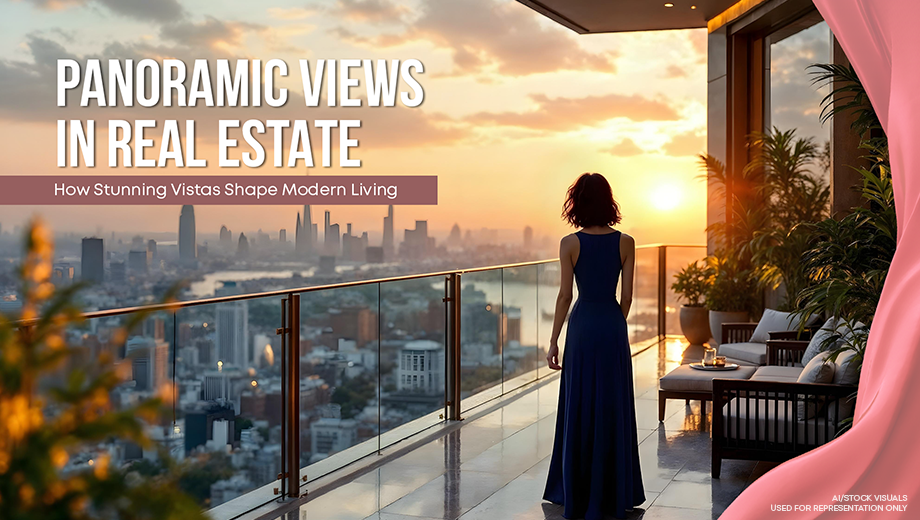
Across the world, panoramic views are becoming central to residential design. A home’s visual connection to its surroundings contributes not only to its appearance but also to the way daily life unfolds within it. Views have moved from being a desirable extra to an integral element of how modern homes are planned and experienced.
Framing the View
Architectural layouts increasingly prioritize orientation. Skyline-facing floor plans, floor-to-ceiling windows, and extended balconies are designed to frame light and long perspectives. These choices ensure that views are not incidental but deliberately woven into the daily experience of living rooms, bedrooms, and shared spaces.
Atmosphere Through Scale and Light
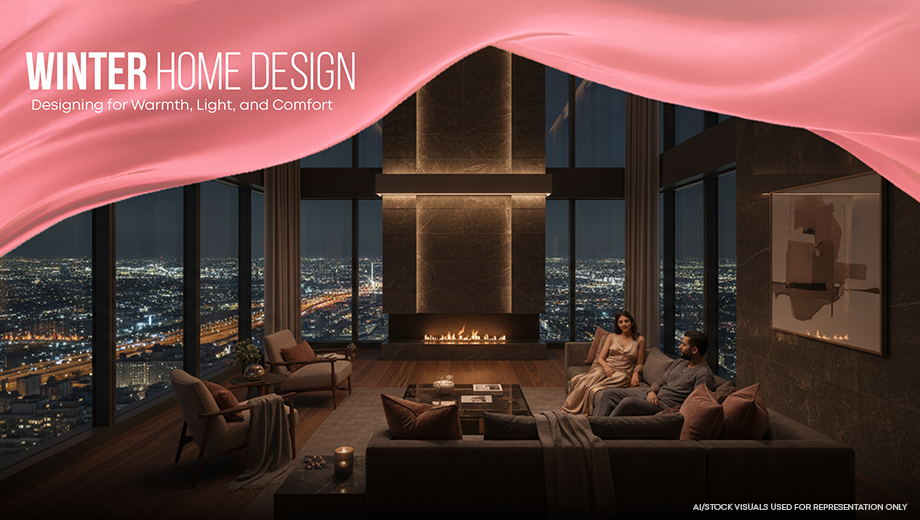
Open views add dimension to interiors, creating spaces that feel expansive yet grounded. Natural light streaming through large openings changes throughout the day, subtly shifting the atmosphere from energizing mornings to calm evenings. This interplay of light and openness balances the density of urban environments, providing visual relief within vertical living.
Integrating Views Into Function
Panoramic perspectives also influence how spaces are used. A dining area that looks out onto a skyline, a study with access to horizon views, or a lounge connected to a broad balcony can transform everyday routines into engaging experiences. By combining outlooks with functionality, architecture ensures that the view becomes part of living, not just a backdrop.
Designing With Context
In contemporary planning, views are treated as a resource. Aligning interiors with skylines, natural features, or open corridors allows developments to integrate with their surroundings instead of closing them out. This approach reflects a shift in residential design—where what lies beyond the walls is as important as the interiors themselves.