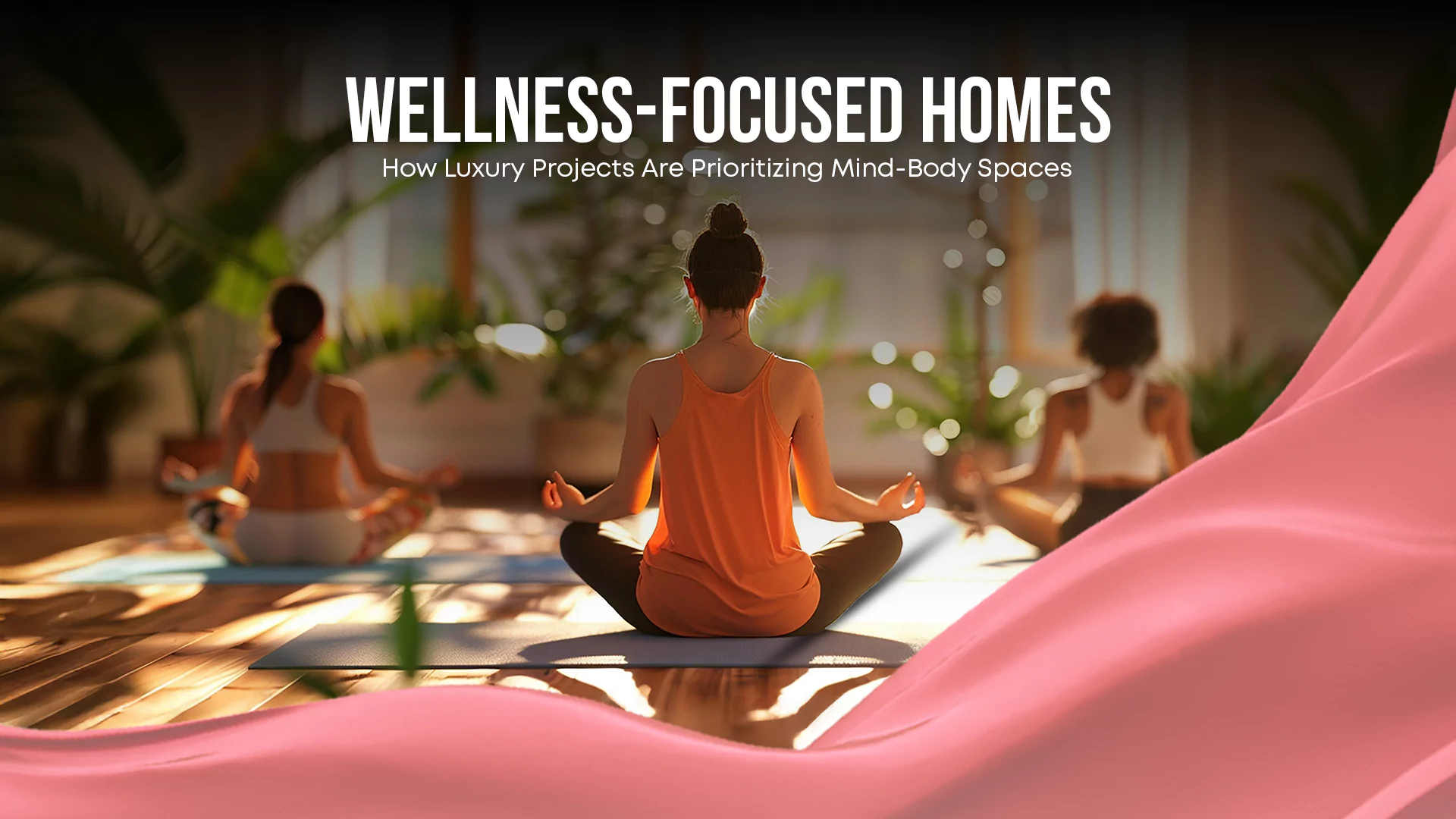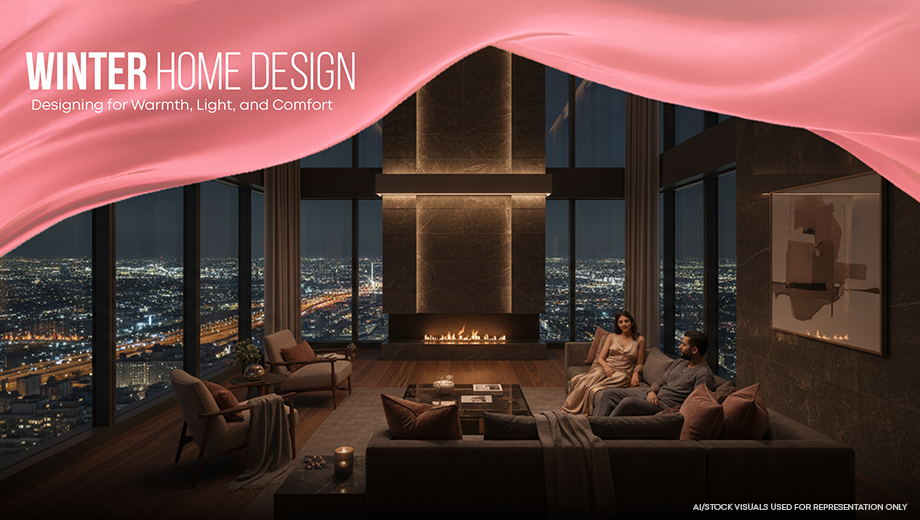

Wellness at Home: How Residential Projects Are Prioritizing Mind-Body Spaces
In contemporary residential design, homes are no longer defined solely by their layout or aesthetic appeal. Increasingly, they are being designed to support a holistic way of living, where spaces contribute to balance, restoration, and everyday ease.
From Amenity to Essential
Features once considered optional—such as fitness rooms or spa-inspired bathrooms—are now seen as integral to residential planning. The shift reflects changing expectations: residents want homes that provide restorative environments within reach, eliminating the need to step outside for wellness routines.
Design that Supports Balance
Wellness at home is being approached through layers of design. This includes natural light to support healthier daily rhythms, acoustic considerations for quieter environments, and biophilic elements such as greenery or water features that add calm. These choices are not just visual—they shape how spaces are experienced and used.
Everyday Integration
Rather than creating separate rooms, wellness is being designed into existing living areas. For instance, an extended balcony may double as a contemplative retreat, or a flexible multipurpose room can shift between exercise, work, and relaxation. These interventions make wellness part of daily rhythms without duplicating space.
A Broader Shift
This evolution highlights how residential projects are expanding their role. Homes today are expected not just to shelter, but to enhance quality of life. By weaving restorative features into their design, they respond to modern living patterns where well-being is interlinked with environment.